-: Five Days of Diwali Festival :-
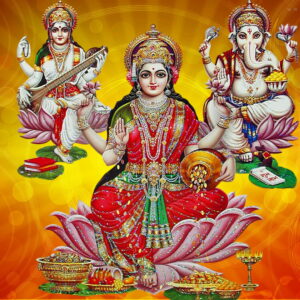
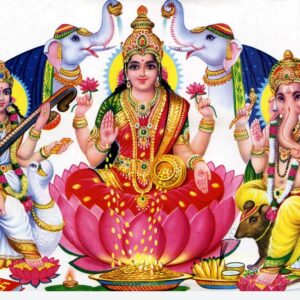
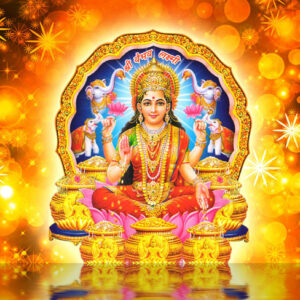
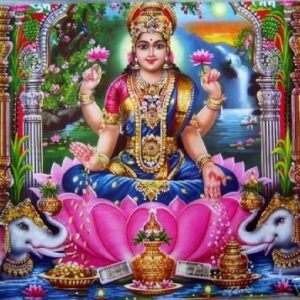
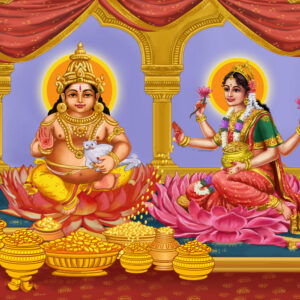
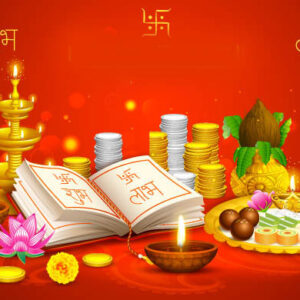
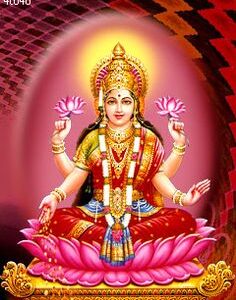
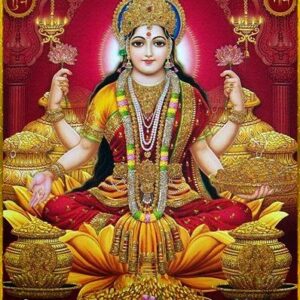
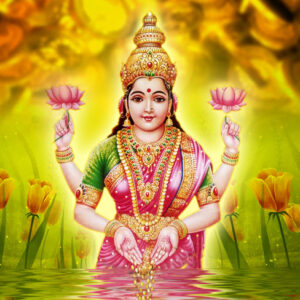
While many in North India celebrate Diwali over one or two days as ‘Badi Diwali’ and ‘Chhoti Diwali,’ in other regions, the festival spans five days. These five days start with Dhanteras, where “Dhan” means wealth and “Teras” refers to the 13th lunar day. On this day, people worship Goddess Lakshmi to seek blessings for wealth and health. A custom of buying gold or precious metals is followed, as it is believed to bring good fortune. Lakshmi Pujan is also performed in the evening after purchasing gold, and lighting lamps is believed to protect homes from negative energies.
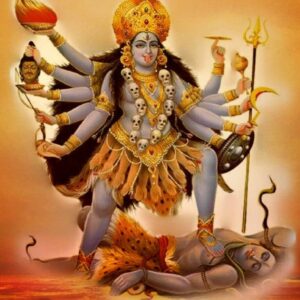
The second day, known as Chhoti Diwali or Naraka Chaturdashi, celebrates the destruction of the demon Naraka. It symbolizes the removal of bad habits and negativity, sending a message of creating happiness and success by embracing positivity.
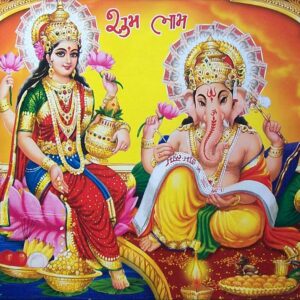
The third day, commonly celebrated as Diwali, is dedicated to Goddess Lakshmi, who is believed to visit homes and bless them with prosperity and wealth. Homes are cleaned in honor of her arrival, Lakshmi Pujan is performed with family members, followed by the lighting of lamps and bursting of firecrackers. The day signifies the triumph of good over evil, bringing light, happiness, and positivity into lives.
On the fourth day, Govardhan Puja is celebrated, commemorating the day when Lord Krishna encouraged people to worship nature, symbolized by the Govardhan mountain.
The fifth and final day, Bhai Dooj, celebrates the bond between brothers and sisters. Sisters perform a puja for their brothers’ well-being, and the day ends with gift-giving and shared meals, symbolizing lifelong love and support between siblings.
The Significance of Diwali:
Regardless of its origins, Diwali is now an integral part of Indian culture, teaching the values of goodness and positive thinking. It is celebrated with friends and family through greetings and gifts. Although modern Diwali is more socially observed, its rich history and legends give deeper meaning to each of the five days of celebration.
Diwali is unique in Hindu history, with references to the festival found in many epics. Every historical legend emphasizes the victory of light over darkness, which is why homes are brightly lit during the festival. The spiritual message of Diwali encourages Hindus to focus on their inner light and strive for self-realization, the ultimate goal of Hinduism.
Historical Legends Associated with Diwali Story:
Lord Ram’s Return to Ayodhya: The most popular legend recounts Lord Ram’s victory over Ravan and his return to Ayodhya after 14 years of exile, symbolizing the victory of good over evil.
Krishna’s Defeat of Narakasur: Another story celebrates the defeat of the demon Narakasur by Lord Krishna, marking a day of happiness and renewal of faith.
Krishna and Indra: Diwali also signifies humility and thanksgiving. When the people of Gokul, at Krishna’s insistence, stopped praying to Lord Indra and worshipped Mount Govardhan, Indra unleashed storms. Krishna lifted the mountain with his little finger, sheltering the people for seven days until Indra’s wrath subsided.
Bali and Vamana: King Bali was humbled by Lord Vamana, an incarnation of Vishnu. For his goodness, Bali was granted the boon of returning to his kingdom once a year to celebrate with his subjects, which is why Diwali is also a time of cheer and goodwill.
#Diwali 2026
Diwali Festival 2026 | Dipawali 2026 | Deepawali 2026 | Dhanteras 2026 | Narak Chaturdashi 2026 | Kali Chaudas 2026 | Govardhan Puja 2026 | Lakshmi Pujan 2026 | Laxmi Puja 2026 | Diwali Puja 2026 | Lakshmi Kuber Puja 2026 | Diwali Muhurat 2026 | Diwali Puja Muhurat 2026 | Lakshmi Puja Muhurat 2026 | Laxmi Puja Muhurat 2026 | Bhai Dooj 2026 | Bhaiya Dooj 2026 | Diwali Package | Diwali Recommendations | Diwali Suggestions | Diwali Sale | Online Diwali Puja | Diwali Puja Online | Lakshmi Puja on Diwali | Laxmi Pujan on Diwali | Diwali Puja Booking | Diwali 2026 Hindu Calendar | Diwali Offer | Diwali Gifts | Diwali Story | दीपावली 2026 Date | Deepavali 2026 | Padwa 2026 Date | Diwali 2026 Date |
FOLLOW US ON FACEBOOK TO LEARN MORE ABOUT ASTROLOGY!